
Sectors
We focus on 15 high-potential areas within agricultural value chains where scalability, resource inefficiency, underinvestment, significant job creation, and market demand create clear opportunities for structured capital deployment.
HIGH-ALTITUDE PERENNIAL ESTATES
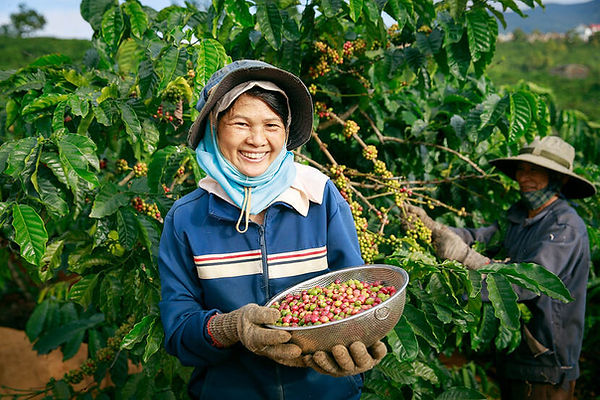
Arabica Coffee
The global Arabica coffee market is worth >$35 billion and growing at a steady CAGR of 5% but coffee prices have been rising sharply due to climate-related water and heat stress, a trend likely to continue as suitable growing regions come under increasing pressure.
Investing in higher-value Arabica coffee plantations is among the more attractive investments in perennial agriculture when highland estate development is combined with irrigation, shade-crop systems, processing, quality control, and professional management. This enables higher bean quality, yields, and price realization while reducing production instability.
This is exemplified by our nascent Fifth Season Coffee Estate concept in Nepal, designed as a professionally managed Arabica estate with integrated cultivation, processing, and quality control from the outset.
High-altitude cluster farming
Climate resilient perennials
Traceability and certification
LOWLAND PERENNIAL ESTATES
Robusta Coffee
The global Robusta green-bean market is worth $20 billion annually and growing at a steady CAGR of 5%, driven by rising demand from instant coffee, espresso blends, and large-scale consumer coffee formats.
Lowland Robusta cultivation offers a different investment profile from highland Arabica, with double the yield potential, stronger heat tolerance, lower altitude requirements, and suitability for larger contiguous estates with irrigation, drainage, improved planting material, and professional agronomic control.
While Robusta generally commands lower prices than Arabica, its higher yield potential, larger-volume green-bean production, lower-altitude cultivation, and reduced need for terracing or uphill water conveyance can create a strong commercial case through scale, operational efficiency, and lower development complexity.

Year-round production
Water-efficiency
Premium quality

PERENNIAL FRUIT VALUE CHAINS
Orchards
Large-scale orchard and perennial crop ventures can create long-term value in regions with strong agro-climatic potential, reliable irrigation, and access to export markets.
Investment in high-demand perennials such as avocado, nuts, durian, mango, citrus, cacao, and stone fruit combines estate development with climate-resilient varietals, irrigation, grading, packing, cold storage, and processing.
This allows projects to move beyond primary production by turning agricultural produce into stronger commercial formats, including export-grade packed fruit, IQF products, juices, purées, dried fruit, and other value-added products.
Integrated post-harvest
Climate-resilient varietals
Export-grade packing and/or processing
CONTROLLED-ENVIRONMENT AGRICULTURE
Greenhouses
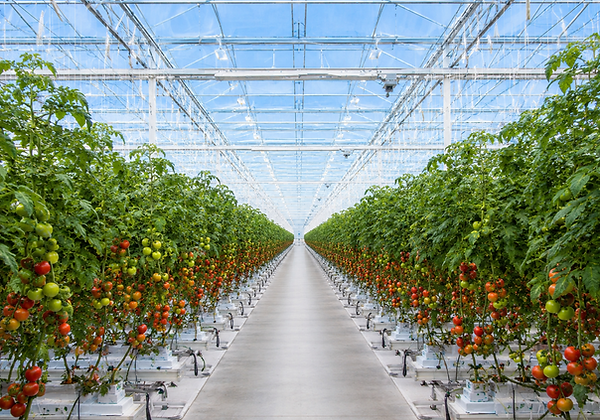
Controlled environments like mega-greenhouses enable higher yields by reducing exposure to water stress, pests, pathogens, and climate volatility, while supporting more consistent year-round production of high-value fruits, vegetables, berries, and aromatic plants.
These platforms are particularly relevant in regions facing water scarcity, seasonal import dependence, or limited availability of high-quality fresh produce.
By integrating modern greenhouse technology, fertigation, supplemental lighting, UV treatment systems, and solar energy, controlled-environment agriculture can achieve higher productivity and stronger returns per invested dollar than open-field cultivation.
Year-round production
Water-efficiency
Premium quality

PROCESSING & COLD STORAGE
Integrated Processing
Seasonal harvests often lose value when crops are sold raw or rushed to market without adequate post-harvest infrastructure.
Integrated agricultural processing hubs combine aggregation, storage, cold chain, logistics, quality control, processing, packaging, and market access in one location, helping producers move beyond raw commodity production into higher-value food, ingredient, and industrial products.
Depending on the crop and market, this may include fresh export packing, IQF freezing, juicing, pulping, drying, milling, extraction, ingredient production, or other forms of value-added processing.
Investing in hubs that reduce post-harvest losses, extend shelf life, and prepare products for higher-value markets allows more value to be captured locally. These hubs also help ensure that products meet the food-safety and traceability standards required by domestic and export buyers, including HACCP, ISO, GlobalG.A.P., and BRCGS.
Cold-chain backbone
Food-safety certification
Strategic storage
STAPLE CROPS
Rice & Grains
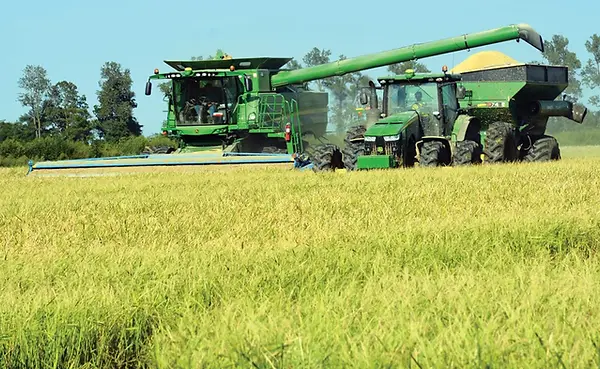
Staple crops such as rice, wheat, maize, and other grains remain among the world’s most important food-security commodities, but many producing regions still lose value through low yields, poor storage, fragmented supply, or limited processing capacity.
Large-scale rice and grain ventures combine mechanized production with irrigation, aggregation, storage, milling, quality control, packaging, and market access, helping producers move beyond raw grain into higher-value food and industrial products while reducing import dependence and post-harvest losses.
Depending on the crop and market, this may include milled rice, fortified rice, flour, animal feed, starch, breakfast cereals, malt, or other value-added grain products for domestic and export markets.
Mechanized cultivation
Integrated milling
Offtake structured

ROOT-CROP PROCESSING
Starch Production
The global industrial starch market is worth >$100 billion, with demand growing steadily at more than 5%. Investment in starch production platforms allows cassava, potato, sweet potato, and other starch-rich crops to be converted into food-grade starch and related industrial ingredients that command significantly higher prices than raw agricultural output.
In addition to being a major food ingredient used for thickening, binding, stabilization, and texture, starch can be modified to improve performance characteristics such as viscosity, stability, solubility, and shelf life, opening access to higher-value modified starch markets in pharmaceuticals, paper, textiles, adhesives, and other industrial applications.
Premium food-grade starch production
Modified starches
Export-grade industrial offtake
BIOETHANOL & RENEWABLE FUEL SYSTEMS
Ethanol & Biofuels
Demand for fuel ethanol, industrial alcohol, and lower-carbon liquid fuels continues to grow as countries seek to reduce fuel import dependence and strengthen domestic energy security.
Ethanol and biofuel platforms transform sugarcane, cassava, maize, molasses, and other suitable feedstocks into fuel ethanol, industrial alcohol, and related co-products.
In addition to fuel blending, ethanol can be used in beverages, pharmaceuticals, cosmetics, sanitation products, chemicals, and other industrial applications.

Integrated feedstock
Sustainability certified
Climate-aligned
CROP BY-PRODUCTS TO COMPOUND FEED
Animal Feed
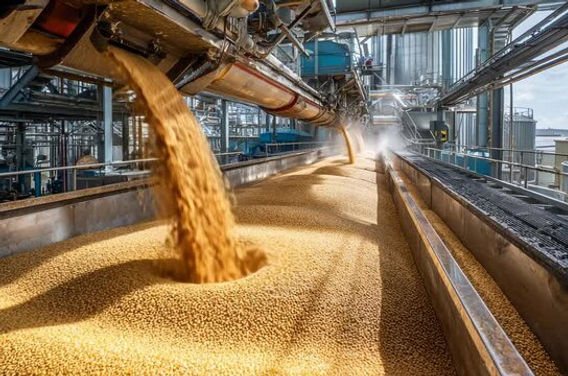
Animal-feed ventures convert crop residues, starch-processing by-products, oilseed meals, grains, legumes, and other agricultural inputs into high-quality feed products for poultry, livestock, aquaculture, and dairy production.
Such projects combine raw-material aggregation, drying, milling, formulation, and pelleting, allowing agricultural by-products and lower-value feedstocks to be upgraded into nutrient-dense commercial feed.
Depending on the market, the model may include compound feed, protein meals, feed pellets, cassava pulp, bran-based feed, silage, or other feed formulations.
Feedstock valorization
Quality-controlled formulation
International compound feed markets
HIGH-VALUE SPECIALTY CROPS
Herbs & Spices
The world market for herbs, spices, and aromatic plants is estimated at more than $100 billion and growing at a CAGR of 8%.
Investment in this sector can combine specialized cultivation of high-value crops with drying, cleaning, grading, extraction, packaging, and quality control, allowing producers to access higher-value food, nutraceutical, cosmetic, and pharmaceutical markets.
These ventures are particularly relevant in regions with strong agro-climatic potential for crops such as basil, mint, oregano, thyme, rosemary, chili, turmeric, ginger, cardamom, vanilla, and other culinary, medicinal, and aromatic plants. Altitude, temperature variation, and sunlight often influence flavor intensity, aroma, essential oils, and active compounds, creating opportunities for premium positioning.

Culinary and medicinal crops
Premium food, cosmetic & pharma markets
Certified ingredient production

GREEN AMMONIA & AGRICULTURAL INPUTS
Fertilizer Production
In countries with low-cost hydropower and high fertilizer imports, hydropower-backed ammonia production can become a strategic agricultural investment.
Renewable electricity is used to split water into hydrogen and oxygen through electrolysis. The hydrogen is then combined with nitrogen from the air to produce green ammonia, which can be used directly as an industrial input or converted into nitrogen fertilizer and blended NPK products for agricultural use.
For import-dependent farming economies, this creates a practical way to turn domestic renewable energy into food-security infrastructure, reducing exposure to volatile fertilizer markets while supporting local agriculture, industry, and employment.
Green ammonia production
Hydropower-linked fertilizer
Low-carbon agricultural inputs
BLUE ECONOMY VALUE CHAINS
Seaweed & Aquaculture
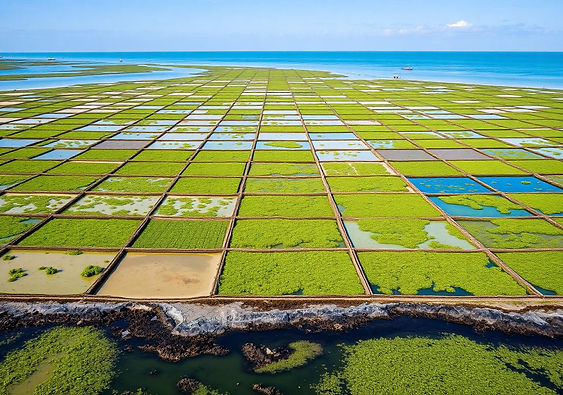
The global seaweed market is very underdeveloped, encompassing edible seaweed, extracts, industrial applications, red algae for carrageenan, kelp, macroalgae production, as well as carbon-sequestration potential.
While most carbon credit systems focus on sequestering carbon by storing it underground, large-scale seaweed cultivation offers a different pathway by absorbing CO₂ directly from seawater as it grows.
Seaweed production can therefore combine food, feed ingredients, biofuel feedstocks, and other marine biomass products with carbon removal, creating carbon credits as an additional revenue stream.
Such ventures are particularly relevant in regions with underused coastlines or lakes and strong seafood demand, where marine biomass can be converted into food, fish feed, biofuel inputs, nutraceuticals, fertilizers, and industrial ingredients.
Food, fertilizer, feed and fuel production
Coastal and lake systems
Marine ingredient markets

SOIL-BUILDING MULTICROPPING
Plant Proteins
Pulses and other legumes are core food-security crops, with global production at well over 100 million tonnes per year, and soybeans being the world’s most traded agricultural commodity.
Their value lies not only in food and feed demand, but also in their ability to improve farming systems through nitrogen fixation, better crop rotation, soil fertility, and reduced dependence on synthetic fertilizer.
Investment in legume and multicropping ventures can combine crops such as beans, lentils, chickpeas, peas, soybeans, groundnuts, and cowpeas with cleaning, grading, drying, milling, dehulling, flour production, protein extraction, and animal-feed ingredients for domestic and export markets.
Nitrogen fixation
Regenerative agriculture
Plant-protein crops
VALORIZING AGRICULTURAL WASTE

Biochar & Carbon Credits
Agricultural residues represent one of the world’s largest underutilized biomass resources, with several billion tonnes generated annually and large volumes still being burned, discarded, or left without commercial use.
Biochar-based ventures can valorize this stranded biomass by converting crop residues into stable, carbon-rich commercial products while sequestering carbon and generating verified carbon credits.
Through controlled pyrolysis, agricultural waste from a single large farm can be transformed into enough biochar for hundreds of kilometers of biochar-modified asphalt for road resurfacing.
Biochar-modified asphalt locks biogenic carbon into long-lived infrastructure assets and can generate verified carbon credits of up to $150 per ton of sequestered CO₂. At commercial scale, these projects can generate EBITDA returns of 25% or more on invested capital.
Stranded-biomass valorization
Pyrolysis & biochar production
Carbon-credit monetization

OILSEED CROPS
Edible Oils
Oilseed crops are among the world’s most important agricultural commodities, supplying edible oils, protein meals, animal-feed ingredients, biodiesel feedstocks, cosmetics, and industrial oils.
Investment in oilseed ventures can combine crops such as soybean, sunflower, rapeseed, sesame, groundnut, cottonseed, coconut, shea, and castor with cleaning, drying, crushing, refining, packaging, and access to domestic and export markets.
These projects are particularly relevant in countries with strong food-oil import dependence, growing livestock and aquaculture sectors, or suitable agro-climatic conditions for high-value oilseed production.
Refined & premium edible oils
Pressing, refining & bottling
Meal and cake monetization
COMMERCIAL AGROFORESTRY SYSTEMS

Agroforestry and Tree Crops
Agroforestry combines commercial crop production with trees, shade systems, soil restoration, and long-term land-value creation.
Investment in agroforestry ventures can include tree crops such as cacao, nuts, rubber, bamboo, timber, fruit trees, and other perennial systems that generate food, fiber, biomass, and carbon value from the same land base.
These projects are particularly relevant in regions where degraded land, climate stress, erosion, or low farm productivity can be addressed through mixed perennial systems that improve soil structure, retain moisture, provide shade, and diversify income streams.
Depending on the crop and market, agroforestry can generate revenue from agricultural products, timber, biomass, carbon credits, biodiversity-linked premiums, and higher-value specialty crops.
Timber, rubber & nuts
Land restoration & Biodiversity
Carbon-credit monetization